By: Alizah Mudaliar
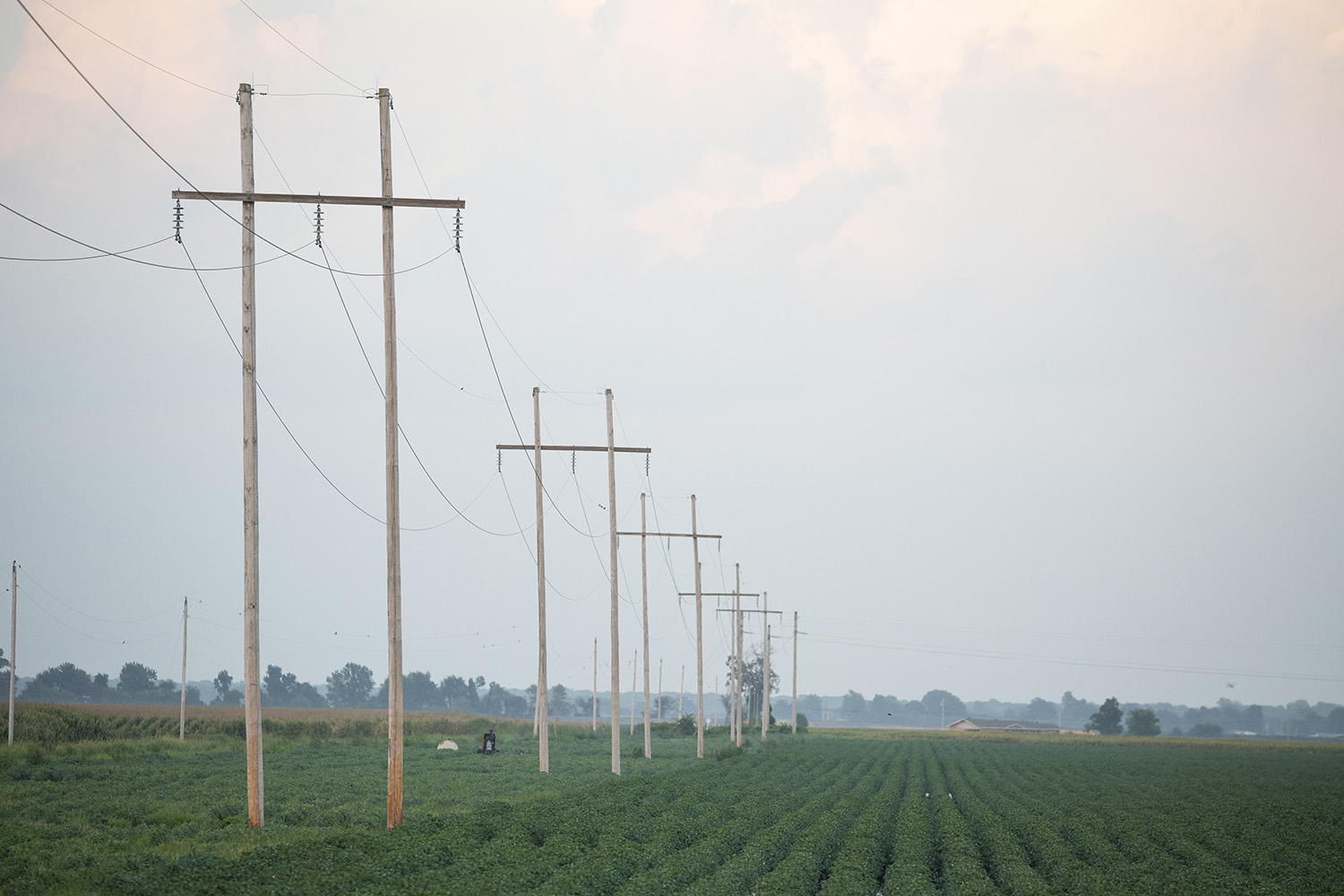
Limited hospital access, fewer healthcare providers, and financial barriers exacerbate health disparities between rural and urban communities. Over 60 million people in the United States live in rural areas, usually composed of older individuals with worse health conditions who require more medical care. Rural areas have lower hospital access and fewer workers to treat particular conditions. Additionally, individuals in rural communities are less likely to have insurance, making access to healthcare exceedingly difficult. Since the COVID-19 pandemic, healthcare services started providing virtual meetings, known as telehealth, to help individuals in rural areas receive care. While telehealth is a promising system to address health disparities in rural communities, overcoming barriers to technology, funding, education, and hesitancy is essential to equitable healthcare access.
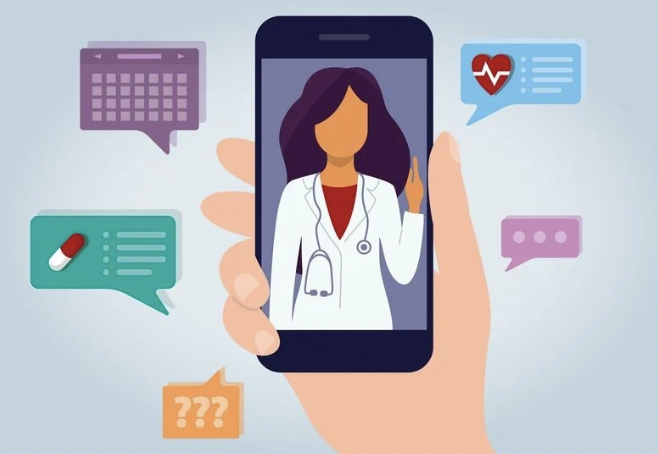
After the pandemic, rural communities were more vulnerable to health and socioeconomic disparities. Over 100 hospitals closed by 2020, exacerbating health risks without access to primary care and mental health services. Since hospital access has become exceedingly difficult in these communities, the Centers for Medicare & Medicaid Services (CMS) allowed flexibilities within Medicare for individuals to use telehealth and access care during the pandemic. Telehealth provides patients with an alternative form of communication to consult healthcare providers through video, phone, or messaging services. This opportunity is most impactful in rural areas by making it possible for patients to receive medical advice and counseling from their homes.
Even though the CMS increased the availability of telehealth, people in urban areas were more likely to use the service than people in rural areas. Approximately 28% of people in rural communities and 24% of people in tribal lands lack high-speed internet, making it difficult to contact health professionals and impossible to conduct virtual appointments. Struggles with digital literacy make it difficult for older populations to use new technology and access telehealth benefits.
There are also financial barriers that prevent the widespread use of telehealth services. Telehealth is primarily a fee-for-service program in which healthcare providers are reimbursed for each service provided to patients. This type of program can be expensive for those who require multiple visits since they have to pay for each service they receive. Medicare does not reimburse much in the fee-for-service system; it is dependent on the service provided and the zip code the patient lives. Restrictions on reimbursements increase the cost to patients to receive care. States have different regulations about the services that can be reimbursed by Medicaid and rural communities do not have clear regulations on such reimbursement policies. Individuals who are unable to pay for fee-for-service systems or do not have reimbursement regulations are less likely to use telecommunication services due to the high costs of routine visits. Payment and reimbursement strategies require more financial data to ensure that telemedicine reduces the cost of medical care.
Cultural factors such as willingness to use the technology and public perception of telehealth services impact peoples’ use of these services. A 2024 study analyzes the disparities in telehealth access, focusing on the willingness of individuals to use its services. The researchers conclude that individuals have problems with audio and video quality and a limited data plan, and thus are less likely to use telehealth services. Low digital literacy in older populations prevents them from using telecommunication services, leading to less care and communication with their healthcare providers.
Despite these hurdles, efforts are being made to improve telehealth accessibility. The federal government is expanding funding opportunities and technical support for rural communities with populations of less than 20,000 people by providing Distance Learning and Telemedicine Grants between $50,000 to $1 million to state and local governments, federally-recognized tribes, non-profit organizations, incorporated businesses, and other eligible groups. Additionally, the Rural Health Care Program provides healthcare providers, including post-secondary educational institutions, teaching hospitals, community health centers, local health agencies, and other nursing and clinic facilities, with services necessary to administer virtual care.
Telehealth holds the potential to close the healthcare gap between rural and urban communities across the United States. It provides underserved individuals with an opportunity to access healthcare professionals. During the pandemic, approximately 97.6% of patients were satisfied with their telehealth services. For those who can access telehealth services, it serves as a convenient, efficient, and cost-saving method of receiving care. However, it takes more than the implementation of such technology in these areas. It is up to each person to adopt and willingly use it. Addressing barriers to infrastructure, funding, education, and hesitancy towards telehealth is essential to transform equitable healthcare access.